How to pick a challenge that is worth solving in a workshop
The Choose activity that turns gut feelings into numbers the whole group trusts.

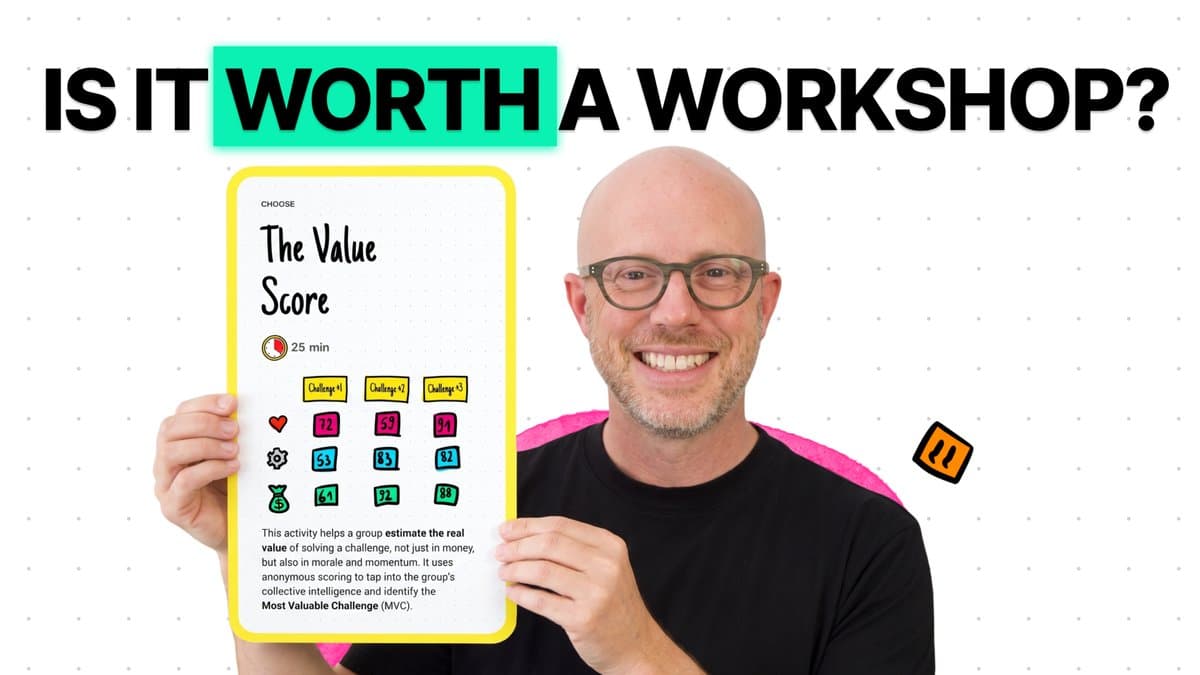
When a team has to choose which challenge to work on, the conversation usually goes straight to money. What's the ROI? What's the business impact?
That question matters. It just leaves a lot out.
Some challenges won't bring in much money, but solving them would give the whole team a real lift. Others look small, but fixing them would make five other problems easier. If you only look at the business case, you miss both.
The Value Score looks at all three. Each challenge gets an emotional score, an ecosystem score, and a monetary score. Everyone votes alone and anonymously, and the group sees the average. So the decision belongs to the whole room.
We want to be able to look at each one as an independent lever.
When Tim Leake shared this activity with me, what I liked most is that it's fresh. I had never heard of it before. Most of the voting and prioritisation activities teams use are the classic ones, many of them straight from the Design Sprint. This one brings a new way of thinking into the room, and teams find it genuinely interesting.
Tim Leake is Vol. 06.
This edition's activity
 Tim Leake
How it works
Explain that each challenge will be scored on three dimensions:
Emotional (0–100): how much this would boost team energy, confidence, and morale.
Ecosystem (0–100): how much this would unlock other wins or make other problems easier.
Monetary ($ or €): a rough estimate of the value for the business over the next few years.
Use Mentimeter, Slido, or a similar tool with anonymous voting. For each challenge, read it aloud, launch the three scoring questions, and ask participants to vote on their own without discussion. Reveal the average score after voting.
Write the scores under each challenge and invite the group to step back and compare. The Most Valuable Challenge may become clear, or you can use another method to finalize the decision.
When to use it
- →Choosing between three to five challenges before a workshop or sprint
- →As a pre-workshop form, to show the group why the session matters
- →Leadership sessions where hierarchy tends to shape the decision
Watch the tutorial
Tim walks through the full activity in this video · Watch on YouTube →
Go deeper
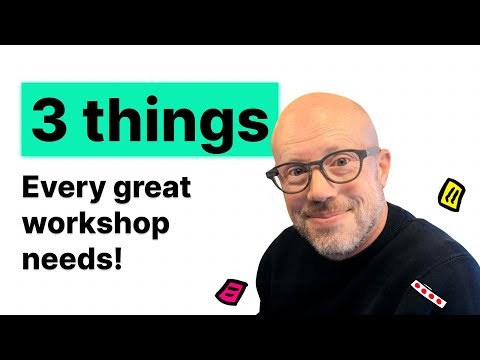

Tim Leake runs Let's Lightbulb, where he helps senior executives and leaders solve important challenges in hours instead of months. He has been facilitating workshops with executives for over 15 years, spent a decade in the c-suite of one of the largest independent advertising agencies in the US, and started his career as a copywriter and creative director. He is also a speaker, and he has been on stage several times at Cannes Lions, SXSW, and TEDx.
The order of the three scores is the smart part.
Tim starts with emotion and keeps money for last. If you ask for a euro amount first, people freeze or guess wildly. When they've already thought about morale and about what else this could unlock, the money question feels easier. They're warmed up.
The ecosystem score is my favourite. A lot of the time, the challenge on the wall is only a symptom of something bigger. This score pushes the group to ask: if we fix this, what else gets better? That's how you move from a small problem to the one that's really worth your time.
For the money score, Tim uses three years as the benchmark. Long enough for the results to show, short enough that people can still picture it. And when the group picks the right challenge, the number is often in the millions, even with smaller clients. That changes the mood in the room fast.
So why trust a group of guesses? Tim explains it with a jar of jellybeans. At fairs and schools in the US, people guess how many jellybeans are in a big jar. Most guesses are way off. But take the guesses of 10 to 20 people, drop the highest and the lowest, and the average usually lands very close to the real number. A group estimates better than any single person, as long as nobody influences anybody else. That's exactly why the voting is anonymous.
It also takes hierarchy out of the decision. When the score comes from the whole group, nobody can say “the CEO thinks this is important, so it is.” If a challenge scores high on emotion and low on money, you get an honest discussion about which one matters more. Usually money wins, and that's fine, because the group made that choice together.
One more thing I like: Tim often sends it as a form before the workshop. So on the day, the first thing people see is how much they themselves think this challenge is worth. The team walks into the session already agreeing that it matters.
Workshop Deck App
From activity to full workshop
The Value Score is a Choose activity, the third phase of the 6C framework. But a workshop is six phases, and each one needs to land.
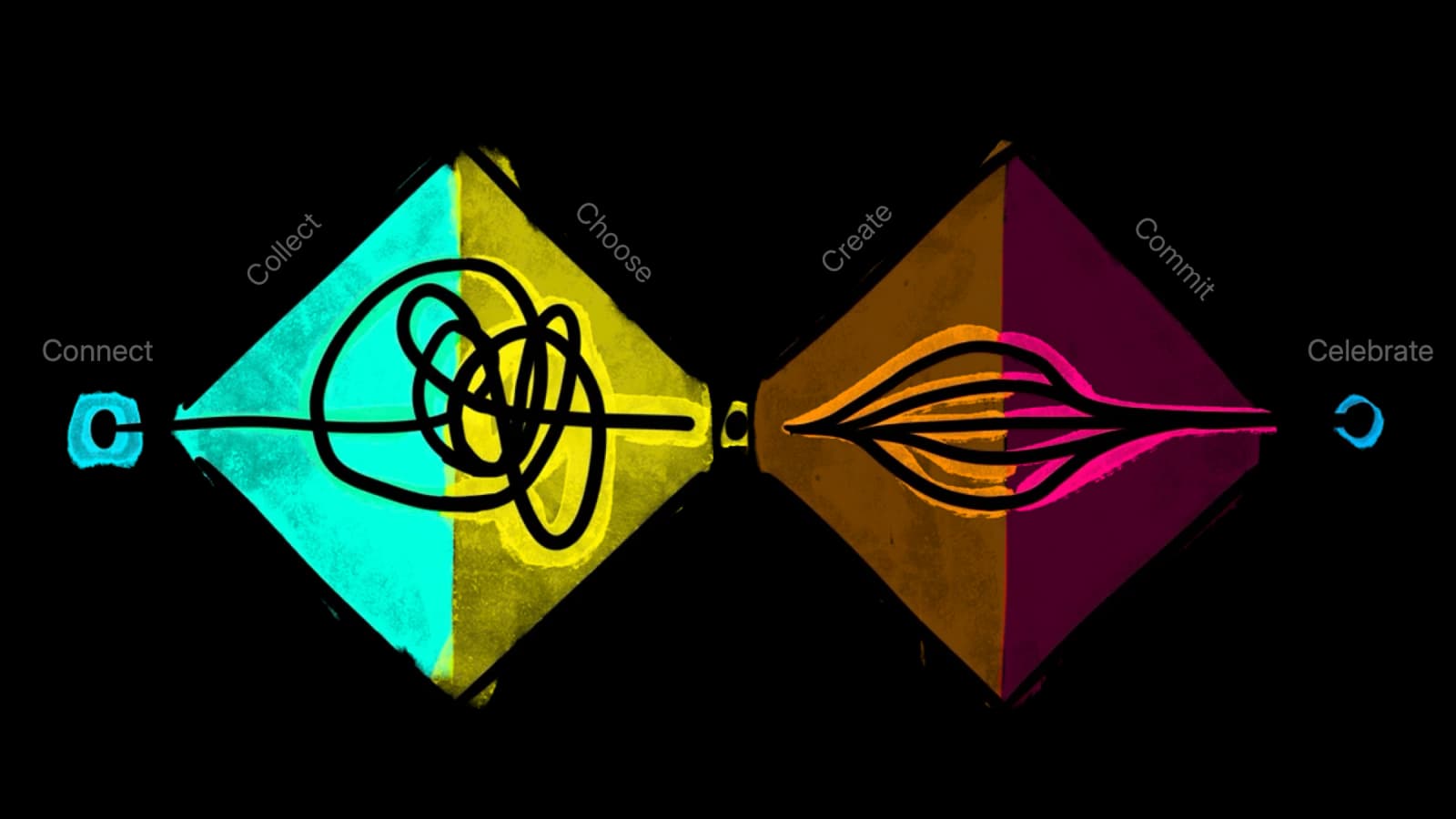
Designing a workshop means wrestling with three questions: where do I start, does the flow make sense, will it actually deliver?
The Workshop Deck guides you through all six phases of the 6C framework so your agenda has real structure from opening to close. And if the Value Score isn't the right fit for your next workshop, there are more Choose activities inside the app waiting for you, alongside battle-tested activities for every other phase, all proven by hundreds of facilitators in the room.
Tim is Vol. 06. More expert facilitators are coming, each one bringing the activity they trust most when the stakes are high. Small library. High trust. Zero overwhelm.
Hope you enjoy this one.
Mehdi
P.S. This is Vol. 06 of Signature Activities. Every edition: one expert, one activity, zero filler.
P.P.S. Already inside the app? The Value Score is live. Open it, try it in your next session.